
What Is THCA Flower?
What is THCA flower? THCA flower is cannabis flower with measurable tetrahydrocannabinolic acid, often shortened to THCA. THCA is a naturally occurring cannabinoid found in raw cannabis plants. It is the acidic precursor to Delta-9 THC, which means heat can change its chemical form through a process called decarboxylation.
The phrase “THCA flower” describes the cannabinoid profile, not a unique plant species. Appearance, aroma, potency, freshness, cultivation method, and laboratory results can vary from one cultivar and batch to another. That is why a percentage on the label should be considered alongside terpene character, cure quality, storage, and a matching certificate of analysis.
This beginner’s guide explains how THCA forms, what heat changes, how laboratory potency is calculated, what to check on a COA, and how to compare current flower options. For a practical buying checklist, read how to choose THCA flower.
How THCA Naturally Occurs in Cannabis Flower
Cannabis plants produce cannabinoid acids as they grow. THCA develops within the resin-rich trichomes that cover the flower and nearby leaves. Genetics influence the plant’s potential cannabinoid profile, while cultivation, harvest timing, drying, curing, storage, and age affect the finished batch.
Raw flower can contain THCA alongside smaller amounts of Delta-9 THC and other cannabinoids. The exact combination is not identical across cultivars or harvests. Even two batches with the same strain name can differ, which is why current batch information is more useful than an old product description.
Terpenes are separate aromatic compounds that contribute citrus, fruit, pine, floral, fuel, spice, and earthy character. They do not determine THCA percentage, but they are an important part of how flower smells and tastes. Learn more in our guide to terpenes and flower aroma.
What Happens When THCA Flower Is Heated
When THCA is exposed to sufficient heat, it can lose a carboxyl group and convert into Delta-9 THC. This process is called decarboxylation. Smoking, vaporizing, and cooking can cause this change, although the amount converted depends on temperature, time, equipment, and handling.
This is why THCA and Delta-9 THC should not be treated as interchangeable laboratory lines. A COA may list each compound separately and may also show a calculated total or potential THC value. The report should be read carefully so the listed THCA percentage is not confused with the amount of Delta-9 THC measured before heating.
For a side-by-side explanation, visit THCA vs. Delta-9 THC. Adults should avoid driving or operating machinery after use and should keep all products away from children and pets.
Potency, Terpenes, and Laboratory Reports
THCA percentage is one useful measurement, but it is not a complete quality score. A laboratory may report THCA, Delta-9 THC, other cannabinoids, moisture, and additional panels depending on what was ordered. Some reports also show total potential THC, commonly calculated from the measured THCA and Delta-9 THC values.
Always confirm that the product name or batch identifier matches the report. Check the laboratory name, sample date, report date, matrix, and which panels were actually completed. A missing contaminant or terpene panel should not be treated as a passing result.
Freshness, aroma, cure, and storage still matter even when the number looks impressive. Read Does THCA Percentage Matter? for a deeper potency explanation, then use our cannabis COA guide to understand the fields on a report.
Strain Type and Growing Method
Strain names can help organize products, but the individual batch deserves more attention than the name alone. Genetics influence cannabinoid and terpene potential, while growing conditions and post-harvest handling shape the flower that reaches the customer.
Indica, sativa, and hybrid labels are commonly used as broad categories. They do not guarantee a specific experience for every person. Aroma preferences, terpene character, potency, freshness, and personal tolerance all matter. Our indica, sativa, and hybrid guide explains how to use these labels without overpromising what they mean.
Cultivation method is another useful detail. Indoor growing offers environmental control and repeatability, while outdoor and greenhouse cultivation use natural sunlight to different degrees. Neither label guarantees quality. Compare the actual batch with our indoor vs outdoor THCA flower guide.
Federal Hemp Rules Are Changing in 2026
Federal and state hemp rules are changing, and shoppers should not rely on a product name alone to determine legal status. As of July 2026, the federal definition created by the 2018 Farm Bill still uses a Delta-9 THC limit of 0.3% on a dry-weight basis. Production rules may also use post-decarboxylation testing or a calculation that accounts for THCA.
A federal amendment enacted in November 2025 is scheduled to take effect on November 12, 2026. The amended definition uses total THC, including THCA, and is expected to change how many cannabinoid products are classified under federal law. The Congressional Research Service overview explains the scheduled change.
State and local rules can be stricter and may change sooner. Product availability, shipping, and legal status can therefore vary by location and date. This page is educational information, not legal advice. Confirm current federal, state, and local requirements before purchasing or possessing any cannabinoid product.
How to Choose THCA Flower
When comparing flower, start with the specific batch instead of choosing by the largest percentage. Check the aroma, texture, trim, trichome condition, packaging, storage, and current COA. Make sure the flower is not musty, excessively wet, or crumbling from dryness.
- Potency: Read THCA and Delta-9 THC as separate values and note any calculated total.
- Terpenes: Use aroma and available terpene information to compare cultivar character.
- Freshness: Ask when the batch arrived and how it has been stored.
- COA: Match the batch or product identifier and review the panels actually tested.
- Fit: Choose around your priorities instead of treating one number as the answer.
Use our complete THCA flower buying guide, review proper storage practices, or browse the current premium indoor THCA flower selection.
-

Candy Gas – Indica – 23.196% THCA Flower
From $10.00 Select options This product has multiple variants. The options may be chosen on the product page -

Mule Fuel – Indica – 27.520% THCA Flower
From $10.00 Select options This product has multiple variants. The options may be chosen on the product page -

GSC – Indica – 25.91% THCA Flower
From $10.00 Select options This product has multiple variants. The options may be chosen on the product page -

ADL Runtz – Hybrid – 26.71% THCA Flower
From $10.00 Select options This product has multiple variants. The options may be chosen on the product page -

Super Lemon Pop – Sativa – 26.455% THCA Flower
From $10.00 Select options This product has multiple variants. The options may be chosen on the product page -

Blueberry Haze – Sativa – 32.82% THCA Flower
From $10.00 Select options This product has multiple variants. The options may be chosen on the product page -

Lemon Cherry Gelato – Hybrid – 29.333% THCA Flower
From $10.00 Select options This product has multiple variants. The options may be chosen on the product page -

Baked Cookies – Sativa – 30.772% THCA Flower
From $10.00 Select options This product has multiple variants. The options may be chosen on the product page -
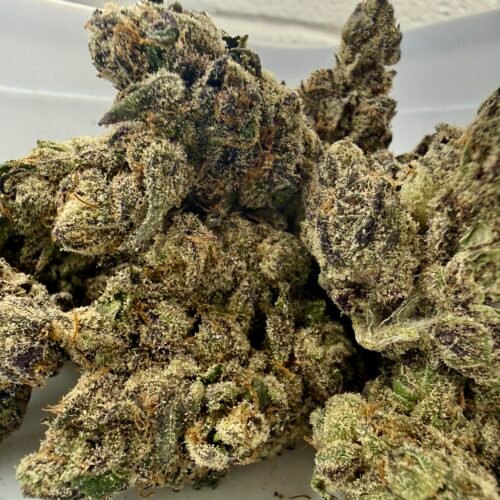
Hard Candy – Hybrid – 34.692% THCA Flower
From $10.00 Select options This product has multiple variants. The options may be chosen on the product page -
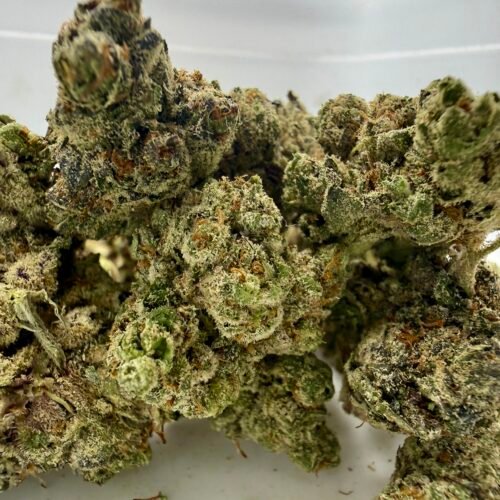
Platinum Gushers – Hybrid – 32.116% THCA Flower
From $10.00 Select options This product has multiple variants. The options may be chosen on the product page
THCA Flower FAQ
What Is THCA?
THCA is tetrahydrocannabinolic acid, a cannabinoid found in raw cannabis flower. When exposed to sufficient heat, it can convert into Delta-9 THC through decarboxylation.
Is THCA Flower Always Legally Classified as Hemp?
Not automatically. “THCA flower” describes cannabinoid content, while “hemp” is a legal classification that depends on the rules in effect, the measured compounds, the testing method, and the location. Federal rules are scheduled to change on November 12, 2026, and state rules may differ.
Why Do Terpene Profiles Matter?
Terpenes contribute aroma and flavor characteristics such as citrus, fruit, pine, fuel, floral, spice, and earth. They help distinguish cultivars, but they do not guarantee a specific result for every person.
For adults 21 and older. Keep away from children and pets. Do not drive or operate machinery after use. Cannabinoid products can cause impairment and may result in a positive drug test. Laws and product availability can change, so confirm current requirements where you live. This information is educational and is not medical or legal advice.