
THCA vs. Delta-9 THC: What Is the Difference?
THCA vs. Delta-9 THC comes down to chemical form and heat. THCA is the acidic cannabinoid found naturally in raw cannabis flower. When THCA is exposed to heat, it can convert into delta-9 THC through a process called decarboxylation.
This guide explains how the compounds differ, why product labels list both, how laboratories calculate total THC, and what shoppers should check before choosing a hemp product.
What Is THCA?
THCA stands for tetrahydrocannabinolic acid. It is produced naturally by the cannabis plant and is commonly present in fresh or unheated flower.
THCA is chemically different from delta-9 THC. Because it is sensitive to heat and light, storage and preparation can change the balance between THCA and THC over time.
What Is Delta-9 THC?
Delta-9 tetrahydrocannabinol is a neutral cannabinoid associated with the intoxicating effects of cannabis. Small amounts may occur naturally in flower, while additional delta-9 THC can form when THCA is heated.
That conversion is why a laboratory report may list THCA, delta-9 THC, and total THC as separate measurements.
How Heat Converts THCA Into Delta-9 THC
Heating THCA removes a carboxyl group in a reaction called decarboxylation. Research shows that temperature and time affect how quickly this conversion occurs.
Smoking, vaping, and baking can all expose THCA to enough heat to produce delta-9 THC. Conversion is not always perfectly complete, which is why laboratory calculations use a conversion factor instead of treating THCA and THC as identical values.
THCA vs. Delta-9 THC at a Glance
- THCA: An acidic cannabinoid commonly found in raw flower that can convert into delta-9 THC when heated.
- Delta-9 THC: A neutral cannabinoid associated with intoxicating effects.
- Lab reporting: THCA and delta-9 THC are measured separately, while total THC estimates their combined potential.
- Product review: Check the batch-specific COA for potency, dates, and laboratory information.
How Total THC Is Calculated
Many laboratories estimate total THC with the formula: delta-9 THC + (THCA × 0.877). The 0.877 factor accounts for the molecular weight lost when THCA converts into THC.
A product can show a low measured delta-9 THC value while still containing a much larger amount of THCA. Reading the full certificate of analysis gives a clearer picture than relying on one percentage.
What Does Federal Hemp Law Say?
Updated July 2026: Current federal law defines hemp using a delta-9 THC limit of no more than 0.3% on a dry-weight basis. A federal amendment scheduled to take effect on November 12, 2026 will revise the definition and impose new total-THC-related restrictions.
State and local rules may be different and can change. This page is general information, not legal advice. Customers should review current rules for their location before purchasing or traveling with hemp products.
How to Compare THCA Products
Start with the batch-specific COA. Confirm the product name, sample date, THCA percentage, delta-9 THC percentage, total THC, and laboratory information.
Potency is only one part of quality. Read Does THCA Percentage Matter? and our terpene guide to compare potency with aroma, freshness, storage, cultivation, and personal preference.
Explore our premium THCA flower, read What Is THCA Flower?, or use our guide to choosing THCA flower.
Explore Premium THCA Flower
Browse current THCA flower options and use the linked lab report for each available batch to compare cannabinoid results before you choose.
-

Candy Gas – Indica – 23.196% THCA Flower
From $10.00 Select options This product has multiple variants. The options may be chosen on the product page -

Mule Fuel – Indica – 27.520% THCA Flower
From $10.00 Select options This product has multiple variants. The options may be chosen on the product page -

GSC – Indica – 25.91% THCA Flower
From $10.00 Select options This product has multiple variants. The options may be chosen on the product page -

ADL Runtz – Hybrid – 26.71% THCA Flower
From $10.00 Select options This product has multiple variants. The options may be chosen on the product page -

Super Lemon Pop – Sativa – 26.455% THCA Flower
From $10.00 Select options This product has multiple variants. The options may be chosen on the product page -

Blueberry Haze – Sativa – 32.82% THCA Flower
From $10.00 Select options This product has multiple variants. The options may be chosen on the product page -

Lemon Cherry Gelato – Hybrid – 29.333% THCA Flower
From $10.00 Select options This product has multiple variants. The options may be chosen on the product page -

Baked Cookies – Sativa – 30.772% THCA Flower
From $10.00 Select options This product has multiple variants. The options may be chosen on the product page -
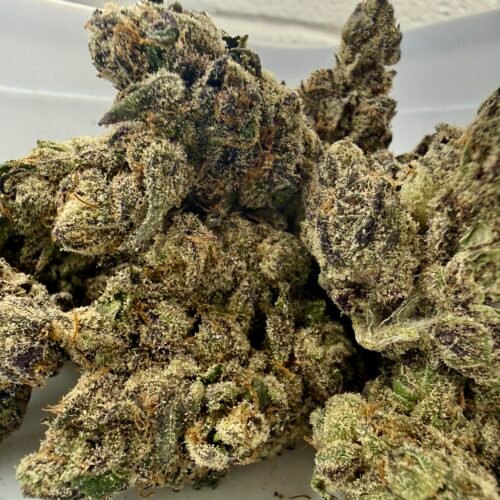
Hard Candy – Hybrid – 34.692% THCA Flower
From $10.00 Select options This product has multiple variants. The options may be chosen on the product page -
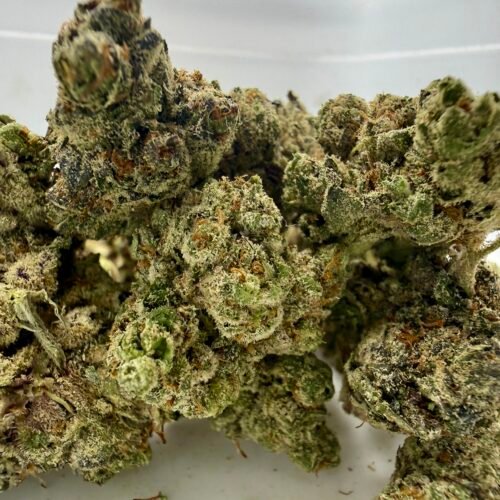
Platinum Gushers – Hybrid – 32.116% THCA Flower
From $10.00 Select options This product has multiple variants. The options may be chosen on the product page
For adults 21 and older. This content is for general educational purposes only and is not medical or legal advice. Product availability and laws can change. Review the current COA and applicable rules before purchasing.